
© All Rights Reserved | Roof Replacement and Repair - Zaman Roofing LLC. | Website Design & CT SEO Powered by High Point SEO CT
- Google Rating5.0Based on 33 reviews
 Zaman Roofing - CT Roofing Contractors & Roof Repair5.0Sergey Y."Zaman Roofing” recently completed a roof replacement project in our condo complex, and we are extremely satisfied with their service. From start to finish, their team demonstrated professionalism, efficiency, and exceptional craftsmanship. They were prompt in their communication, providing detailed explanations and answering all our questions. The crew arrived on time, worked diligently, and completed the project within the estimated timeframe.Not only did Zaman Roofing exhibit outstanding technical skills, but they also ensured minimal disruption to our daily activities. They took great care to protect our property, cleaning up thoroughly each day and leaving no trace of debris behind.The quality of the new roof is outstanding. Zaman Roofing used top-grade materials and paid attention to every detail, resulting in a sturdy and visually appealing finished product. The roof has significantly enhanced the overall appearance of our condo complex.We would highly recommend Zaman Roofing to anyone in need of roofing services. Their professionalism, expertise, and attention to customer satisfaction make them a reliable choice for roof replacements. We are grateful for their excellent work and would not hesitate to hire them again in the future.Christopher Z.Zaman Roofing was AWESOME!!!! This is my third time doing a roof in CT on my third home and Zaman did an outstanding job on my rather unique roof line. They even replaced a skylight. I needed a Roof Contract in place before insurance would allow the purchase because the seller was a DeeBag. Zaman worked with my realtor, banker, etc and even waited patiently while the seller delayed the process by 4 months. The week I closed, Zaman Roofing was up and at em. Stripping, prepping and replacing. In and Out. Property was nice and clean after the work was complete. I would highly recommend.Steve TZaman Roofing, located in Berlin, CT, truly excels in providing top-notch roofing services. I am absolutely thrilled to give them a well-deserved 5-star review for their outstanding work. They have proven themselves as experts in roofing Berlin CT, and I couldn't be happier with the results.When it comes to roofing in Berlin, Zaman Roofing stands out from the competition. Their team of skilled professionals demonstrated exceptional attention to detail during the installation of my new roof. They meticulously handled every aspect of the project, ensuring both aesthetics and durability were top-notch.What impressed me the most was Zaman Roofing's commitment to customer satisfaction. From my initial contact with them, they were responsive, courteous, and eager to understand my specific roofing needs in Berlin. Their exceptional customer service throughout the entire process made me feel valued as a client.Zaman Roofing's expertise in roofing Berlin is truly commendable. They have an extensive portfolio of successful projects throughout Berlin, CT, showcasing their skill and knowledge in a variety of roofing styles and materials. Regardless of the complexity of the job, they have the necessary resources to deliver exceptional results.I cannot emphasize enough how satisfied I am with Zaman Roofing's services in Berlin, CT. Their professionalism, reliability, and dedication to their craft are unparalleled. If you're searching for exceptional roofing services in Berlin CT, Zaman Roofing is the company to choose. They will exceed your expectations in every way.In conclusion, Zaman Roofing unquestionably deserves a stellar 5-star rating for their exemplary roofing services in Berlin, CT. Their expertise in roofing Berlin and roofing Berlin CT shines through in their exceptional workmanship and customer service. I highly recommend Zaman Roofing for all your roofing needs.Gary G.Zaman replaced the roof on my 2,200 sq. ft. colonial in 2015. The workmanship was perfect. Unfortunately, over time, the top-of-the line shingles discolored. He was totally supportive in getting the manufacturer to replace them at no cost to me. He just replaced the roof with the new shingles. It was another perfect job. It was completed in one day. The crew was great and they cleaned the area spotless.Chris DWe used Zaman Roofing for our Roof and Gutter Replacement, I acquired 5 quotes for the work and found Zaman to be the most reasonable, it was a Good Decision to choose Zaman Roofing, Seweryn was Professional in every aspect and the Clean-up was nothing short of Amazing, I would Highly Recommend using Zaman RoofingRobert D.Excellent Service and Value - great crew and easy to deal with - highly recommended !Sunghoon P.Great work and reasonable price. I am so happy with their service. I asked a bunch of questions before and after the service and his responses were very prompt and straight to the point. Highly recommend.Adrienne M.I am so pleased that I used this company. My new roof looks fantastic. Such a hard working crew. Seweryn was informative and professional. Price was very completive. Don't hesitate to use them you will be very satisfied. Highly recommend!Nancy M.Good communication, timely response and knowledgeable. Very happy with our experience and highly recommend this company.Beata M.We used Zaman for our roof replacement recently and are very pleased. They replaced our roof in one day and gave us a very competitive quote. Good quality of work. Highly recommended.Lori K.They were here when they said they would. Professional & left everything neat ,cleaned up everything. They were in & out in a day & a half. Would recommend Zaman roifing.Dan R.A+ service, professional and quick response time.Anna G.Zaman and his crew provide great workmanship they installed new roofs they take great pride in the work they do. They were punctual and did a amazing job with the roof installation and clean up. Highly recommend Zaman Roofing to family and friends. Thank you for the opportunity to work with such a amazing contractorScott M.Awesome contractor, I would highly recommend him to family & friends. Seweryn & his crew were here on time & worked diligently. They were the happiest workers I've ever dealt with (I am a former construction project manager with the Federal government). Any & all questions were answered. My neighbors couldn't believe they finished the job in one day & complimented how great the new roof looks.Clement D.Great roofing contractors. I love to recommend it to my friends and family.Karen 9.With the quality, price, timeliness, all round nice guy and great crew, Zaman Roofing LLC is what other companies aspire to be.... Clean, helpful and a pleasure to recommend....james C.Excellent experience from start to finish, all appointments and work times met in a timely fashion, workmanship and clean up left nothing to be desired.Would be a definite recommendation, very pleased.Margaret B.I had obtained multiple quotes and did my due diligence research and Seweryn Zaman came back with fair price and good recommendations. He was professional, explained everything that he was going to do and never once he rushed me during decision process. He showed up on time with his hard working crew and finished my roof in one day. I was amazed with his crew who worked like busy bees. Very impressed with the clean up process and the end product. Two months after he finished my roof he was still helping me deal with the insurance company making sure I had everything I needed. Thank you SewerynSteve B.Very professional and easy to work. The crew came in, replaced my roof and then cleaned up everything! Highly recommended.Jim O.Competitive quote among four others. Seweryn Zaman provided larger color samples of the shingle colors we were interested in. He obtained the building permit, showed up on the day expected with his entire crew. Our older roof was on 24" trusses and needed more plywood replaced than anticipated. He got the additional sheets replaced on the day of the re-roofing. The crew worked with him late until the job was done and picked up every piece of old debris. The roof passed final town inspection with no concerns. Zaman Roofing is easy to deal with; he's responsive on text messages and phone calls. I used them in the past for an emergency repair and he found a well-hidden leak from the builder.Dale C.The crews did a good job, and the leader of the crew did a great job when they replaced the roof of my house in Farming on 7/6&7 this year. When they worked on the project, they worked professionally and in detail. We are very pleased with the work they have done, and highly recommend people to have the company worked on their roof projects.Forrest B.Zaman's was very professional, excellent quality of work and very responsive to our needs. This roofing experience was excellent from start to finish and provided an excellent value. Would certainly recommend them to any friend.Yonatan M.We used Zaman Roofing to replace our roof in 2019 and could not be happier with the service and product. A highly professional company and great personal interaction with the owner. The workers took great care of our landscaping, and the owner was there frequently to supervise the work and take care of finishing touches like flashing the chimney. We have had zero issues since then and highly recommend this company.Quinn V.Zaman was awesome. He was communicative, on-time, and was able to give me a quick inspection of our roof despite the rain. I rarely have a contractor tell me that I didn't need to spend any money, but Zaman told me my roof was fine for the next several years.magdalena K.We recently used Zaman Roofing to replace our 26-year-old roof. Right from the start they were great! Sevy was extremely professional and knowledgeable and gave us a great quote. Everything was done as they described and the final project looked great. The owner was on the job from start to finish as he promised.Ariadna G.Our experience with Zaman Roofing was excellent. I was very impressed with both their work and their customer service. Seweryn was very knowledgeable and professional.Larry G.What a wonderful business. Very responsive. They showed up exactly when expected, completed the project quickly and accurately and left no trace after clean up. All with a very competitive price. I would highly recommend Zaman to anyone looking to have roofing work done.STEVE R.I was very pleased with the roof and gutter repairs performed by Zaman Roofing on two of my buildings. Good workmanship and fair prices, I would recommend and use again.Danielle D.These guys stripped and reshuffled my roof is 1 day! They did an awesome job. Roof is beautiful. He uses a dump trailer which is great and they cleaned up well. Very happy with the work. Also pricing was fair.

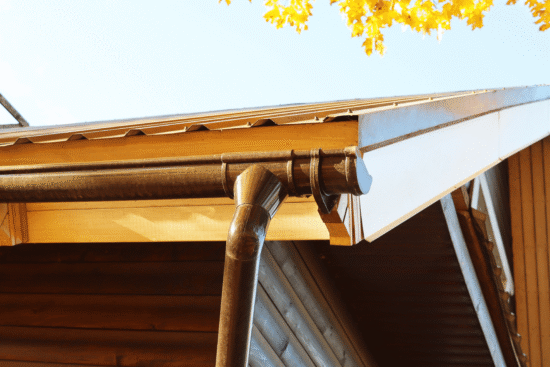
What is the Best Type of Gutter System?
Category: Roof Maintenance • February 15, 2026
A well-functioning gutter system is essential for protecting your home from water damage. Gutters channel rainwater away from your roof, foundation, and landscaping, preventing costly problems like leaks, erosion, and basement flooding. But with so many gutter types available, how do you choose the best one for your home? This guide will help you understand the options and make an informed decision.
Why Choosing the Right
Gutter System
Matters
Gutters do more than just direct water, they protect the structure of your house and keep its value.
Poorly installed or of low-quality gutters may cause severe problems:
Foundation Damage: The presence of water on the foundation may lead to cracks and instability.
Roof Issues: Ineffective gutters can cause damage to shingles, fascia and soffits.
Landscape Problems: Plants, mulch and soil can be washed by water runoff.
Basement Flooding: Water around your foundation may creep into basements resulting in mildew and molds.
The proper choice of the gutter system ensures that water is moving in the right direction which reduces the maintenance and damage in the long run.
Types of Gutter Systems
There are various designs and materials for gutters. Each has its advantages and disadvantages, so understanding your options is key.
Aluminum Gutters
Pros:
- Portable and simple to set-up.
- Rust-resistant.
- Low priced and readily accessible.
- Can be painted to suit your house.
Cons:
- Can dent easily.
- Less durable in extreme weather.
Aluminum gutters are considered to be the most favored option because of their cost-effectiveness, longevity and low maintenance.
Steel Gutters
Pros:
- Very tough and hard.
- Handles heavy rainfall better than aluminum.
- Can be painted
Cons:
- Prone to rust if not properly coated
- Heavier and harder to install
- Higher cost.
Homes in regions where the storms or the snow is heavy should use steel gutters, which have the capacity to sustain weight and pressure.
Copper Gutters
Pros:
- Durable and long lasting
- Low maintenance
- Develops a beautiful patina over time
- Resistant to corrosion.
Cons:
- Very expensive
- Professional skills are required during installation
- Can be a target for theft in some areas.
Copper gutters are usually used in high-end houses or historic houses because of their beauty and durability.
Vinyl Gutters
Pros:
- Portable and simple to set-up.
- Corrosion resistant and maintenance free.
Cons:
- Can crack in extreme cold
- Less durable under heavy rainfall or debris
- Less lifespan when compared to metal.
Vinyl gutters are affordable and can be used in smaller houses or in moderate climates.
Gutter Styles
Gutters also have various shapes and styles other than materials that influence performance and appearance.
K-Style Gutters
Description:
- Feature a plain back and bottom with decorative front.
- Mimics crown molding design.
Advantages:
- Hold more water compared to the conventional rounded gutters.
- Popular for modern homes.
- Works well with leaf guards.
Half-Round Gutters
Description:
- Shaped like a semicircle
- Frequently painted on old-fashioned or old buildings.
Advantages:
- Smooth design limits clogging.
- Beautiful, retro-futuristic look.
- In other cases, it is easierto clean than K-style.
Box Gutters
Description:
- Built into the roof or fascia
- Usually, custom made to bigger houses.
Advantages:
- Able to work with huge amounts of water.
- Low visualization of aesthetic value.
- Very good with commercial property.
Seamless vs. Sectional Gutters
Gutters are available in seamless or sectional formats. Choosing between the two can affect maintenance and performance.
Seamless Gutters
Pros:
- Constructed out of one piece of material
- Fewer joints, reducing leaks
- Sleek appearance.
Cons:
- Must be professionally installed
- Higher cost.
Seamless gutters are best suited to those homeowners who want a durable and less maintenance gutter.
Sectional Gutters
Pros:
- Can be installed by the DIYer in pre-cut lengths.
- Lower upfront cost.
- Small parts are easily replaceable.
Cons:
- Several joints extend the chances of leakages.
- Needs increased servicing.
Sectional gutters are effective on smaller work or where the budget constraints are a priority.
Gutter Guards and Accessories
The accessories will enhance the effectiveness and the life of your gutter system.
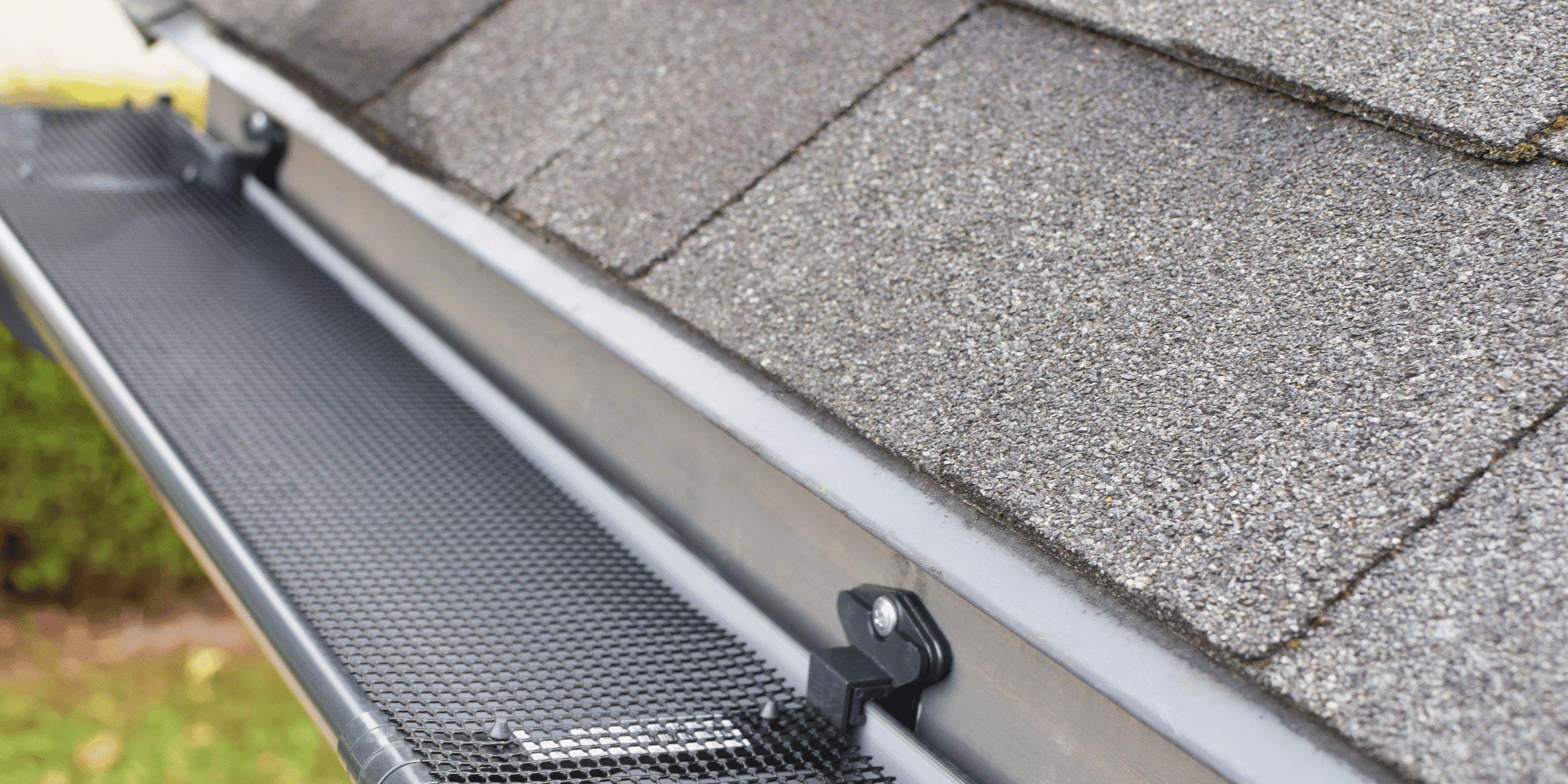
Gutter Guards
- Prevent leaves, twigs, and debris from clogging gutters.
- Cut down on the cleaning activities.
- Mesh and screen as well as reverse-curve designs.
Downspouts and Extensions
- Direct water further from the foundation.
- Assistance in avoiding erosion and basement flooding.
- May be tailored to match the house
Splash Blocks
- Basic overlay to secure landscaping.
- Drains water off footways and flowerbeds.
Factors to Consider When Choosing a Gutter System
It is not only about the material or style when it comes to selecting the best gutters.
Consider these factors:
Climate: Homes in climates where there is a lot of rain, snow or ice might require sturdier materials such as steel or copper.
Home Size: Bigger roofs have to be fitted with gutters that have larger capacity to carry a greater amount of water.
Maintenance Preferences: Seamless gutters and guards generate less cleaning and the sectional may require more cleaning.
Budget: Vinyl and aluminum are cheap and copper and steel can be a long-term investment.
Aesthetics: Select one of the styles and colors that are compatible with the exterior of your home.
Installation Tips
Installation is important in terms of performance.
Keep in mind:
- To have water flowing, gutters must have a slight inclination (approximately 1/4 inch to 10 feet).
- Do not use sharp bends or dips that are liable to entrap water.
- Fascia gutters should be secured to the fascia using the correct brackets and fasteners.
- Taking professional installation into consideration, which is seamless or copper.
Maintenance Tips
Even the best gutters require care to last longer:
- Sweep gutters at least 3 times in a year, particularly when the leaves have fallen.
- Look into leaks or rust spots.
- Prune hanging tree branches.
- Make sure that the downspouts are turned away.
Key Takeaways: What is the Best Type of Gutter System?
There isn’t a single “best” gutter system for everyone; it depends on your home, climate, and budget. However:
- For long-term durability: Copper or steel gutters are excellent.
- For affordability and easy installation: Aluminum or vinyl are ideal.
- For minimal maintenance: Seamless gutters with guards reduce cleaning frequency.
- For classic aesthetics: Half-round or copper gutters make a visual statement.
Ultimately, the best gutter system balances performance, maintenance, and appearance, keeping your home safe from water damage for years to come.
